Skip to content
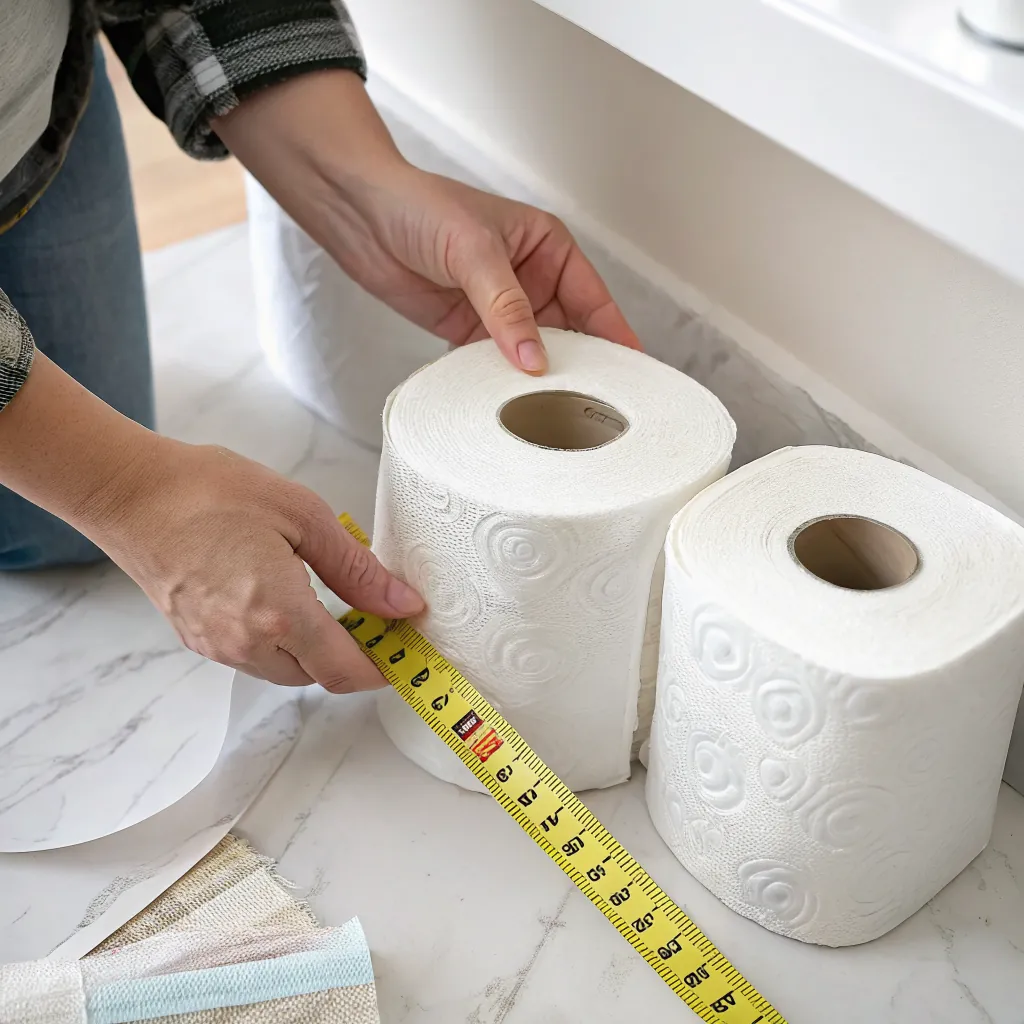
Opening a new pack of toilet paper may seem simple, but have you ever wondered how long a roll really is? It's more complex than it looks.
The length of a toilet paper roll is usually measured in inches, which gives a clear way to compare sizes and value. Standard rolls, jumbo rolls, and specialty papers all vary. Understanding these numbers can help you choose smarter for home or business.
Knowing the numbers can make a big difference when stocking bathrooms or planning purchases. Let's look deeper at what roll length really means.
What is the standard roll length in inches?
The size of a toilet paper roll may surprise you, especially if you think all rolls are the same. Some are longer, some shorter, and not all measurements are advertised clearly.
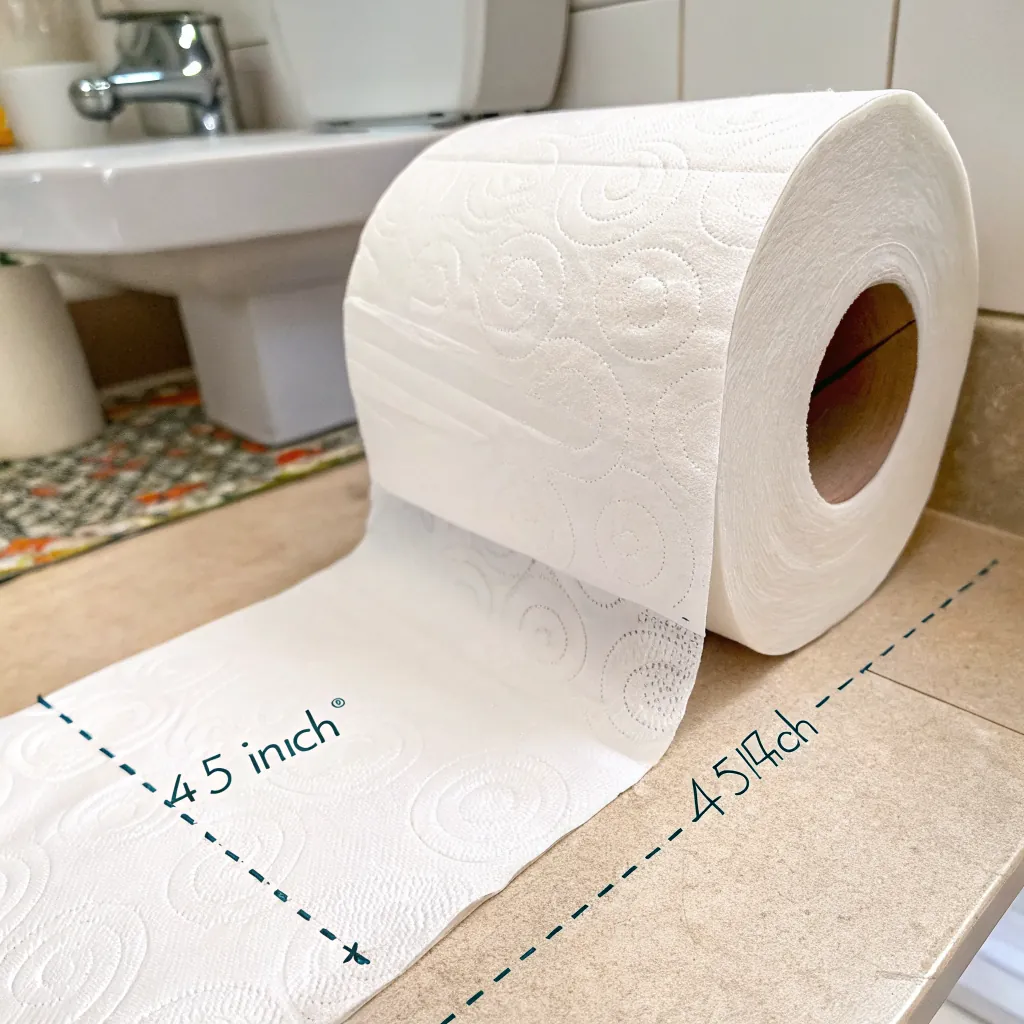
A standard toilet paper roll usually measures about 4.5 inches in width and 4.0 to 4.5 inches in diameter. This translates to roughly 150 to 200 inches of paper per roll.
Understanding Standard Roll Measurements
When I first measured a roll at home, I was surprised to find it didn't match the package claim. Roll length is calculated by unrolling the paper and measuring the total length. Manufacturers often list sheets, not inches, which can be misleading.
| Parameter | Typical Measurement |
|---|---|
| Roll Width | 4.5 inches |
| Roll Diameter | 4.0–4.5 inches |
| Total Paper Length | 150–200 inches |
| Sheets per Roll | 200–500 sheets |
The total length can vary by ply as well. Single-ply rolls are longer in inches because each sheet is thinner. Two-ply rolls are shorter but feel thicker and softer. If you use bathroom tissue frequently, knowing the inch count helps estimate how long a roll will last.
Another factor is perforation. Some rolls have smaller sheets, which reduces the effective length. For example, a roll with 500 sheets at 4 inches per sheet gives 2,000 inches, but if the sheets are shorter, the total usable length is less. Consumers often assume sheet count equals length, but it’s the inches that give the full picture.
For businesses or hotels, knowing exact roll length is crucial. Short rolls may need frequent replacement, increasing labor. Long rolls reduce maintenance. Using inches as a measurement allows direct comparison between brands and types, avoiding confusion from sheet count or marketing terms.
How does roll size differ across brands?
Many think all toilet paper brands are similar in size. In reality, each brand has its own standard, sometimes making it hard to compare purchases directly.
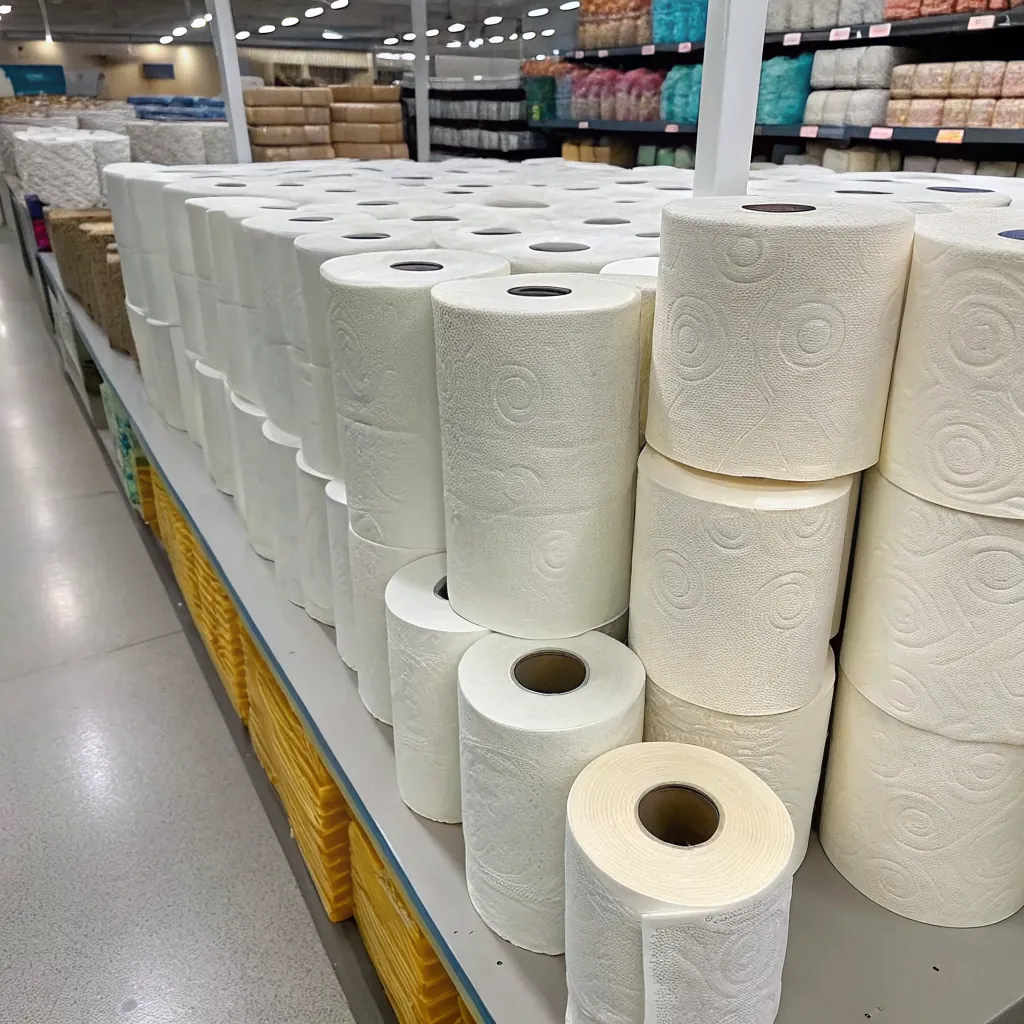
Roll size varies widely. Some brands keep standard lengths around 150–200 inches, while others extend to 300 inches or more, even for household rolls.
Brand Variations Explained
Brands often adjust roll length based on marketing, softness, and cost. Higher-end brands may produce thicker sheets but fewer inches per roll. Value brands might offer longer rolls but with thinner paper.
| Brand Type | Roll Length (inches) | Sheet Thickness | Typical Use |
|---|---|---|---|
| Economy | 200–250 | Thin | Home or office |
| Mid-range | 250–300 | Medium | Retail, family use |
| Premium | 150–200 | Thick | Softness-focused, luxury |
This variation affects both perception and cost. A premium brand may charge more for fewer inches because the feel and durability are higher. On the other hand, some economy rolls provide more inches for the price but may tear easily.
Understanding these differences matters when buying in bulk. For wholesalers, comparing inch length directly rather than sheet count avoids overestimating supply. Hotels and restaurants, which use large volumes, benefit most from knowing exact roll length.
Some brands also design specialty rolls for certain dispensers. Narrow core rolls, for instance, reduce diameter but increase length per roll. When stocking public restrooms, knowing these inch measurements ensures the roll fits the dispenser and lasts longer between replacements.
Even marketing can mislead. Phrases like “mega roll” or “ultra soft” do not guarantee longer rolls. Only measuring inches gives an accurate comparison. This is especially true for international buyers importing products where brand standards differ from local expectations.
Are jumbo rolls longer in inches than standard?
When purchasing for hotels or public facilities, jumbo rolls are often recommended. They claim to last longer, but it’s worth checking the inches before buying.
Jumbo rolls are typically 9 to 12 inches in diameter and can contain 800 to 1,200 inches of paper, far exceeding standard household rolls.

Advantages of Jumbo Rolls
Jumbo rolls are designed to reduce maintenance and stocking frequency. By providing more inches per roll, they cut down the number of replacements required in high-traffic areas.
| Roll Type | Diameter | Inches per Roll | Best For |
|---|---|---|---|
| Standard | 4–4.5 inches | 150–200 | Home, small offices |
| Jumbo | 9–12 inches | 800–1,200 | Hotels, schools, public facilities |
Jumbo rolls also reduce packaging waste. Fewer rolls shipped per container lower costs and environmental impact. For businesses, the higher upfront cost is offset by labor savings and reduced interruptions.
However, there are downsides. Jumbo rolls require specialized dispensers, and not all bathrooms can accommodate them. They can also be heavier and harder to handle. Businesses must balance convenience with space limitations.
For hotels, airports, or restaurants, measuring inches accurately ensures that the roll will meet usage demands. Counting sheets is less practical since staff do not track every sheet used. Inches provide a reliable estimate of how long each roll will last under heavy use.
Some manufacturers produce “double jumbo” or “triple jumbo” rolls for extremely busy locations. These can exceed 1,500 inches but may require large dispensers or multiple staff handling. Understanding exact measurements prevents surprises in supply planning and ensures operational efficiency.
Can roll length be used to compare value?
Buying toilet paper can feel confusing. Price per roll may not reflect actual value, especially when brands differ in thickness and sheet count. Inches offer a simple metric to assess true value.
Comparing rolls by inches allows a direct evaluation of how much paper you get per dollar, helping businesses and households make smarter purchasing decisions.

Calculating Value Using Inches
To calculate value, divide the price of a roll by the total inches of paper. This gives a cost per inch, which allows comparison across brands regardless of ply, softness, or sheet count.
| Brand | Price per Roll | Inches per Roll | Cost per Inch |
|---|---|---|---|
| Brand A | $0.99 | 200 | $0.00495 |
| Brand B | $1.49 | 300 | $0.00497 |
| Brand C | $2.50 | 150 | $0.0167 |
Using inches highlights the differences between premium and economy products. Brand C may feel luxurious, but Brand A and B offer better paper per dollar. This method works for both households and bulk buyers.
When buying for hotels or public facilities, the cost per inch approach helps forecast monthly usage and budget accurately. It also ensures stock lasts as expected. Many businesses realize they can save significantly by choosing longer rolls with slightly lower price per inch, even if individual rolls cost more.
One caution is that inches alone do not capture comfort or durability. A very thin roll might give more inches but tear easily. Businesses must balance value in inches with performance. Knowing exact roll length and combining it with quality assessment ensures the best purchasing decisions.
Understanding inches also helps prevent overstocking or understocking. For example, if a facility knows its monthly usage in inches, it can order precisely, reducing storage costs and avoiding shortages during peak usage times.
Conclusion
Knowing the inches in a toilet paper roll allows better comparisons, smarter purchases, and more efficient use in homes or businesses. It simplifies decision-making and avoids surprises in supply and cost.